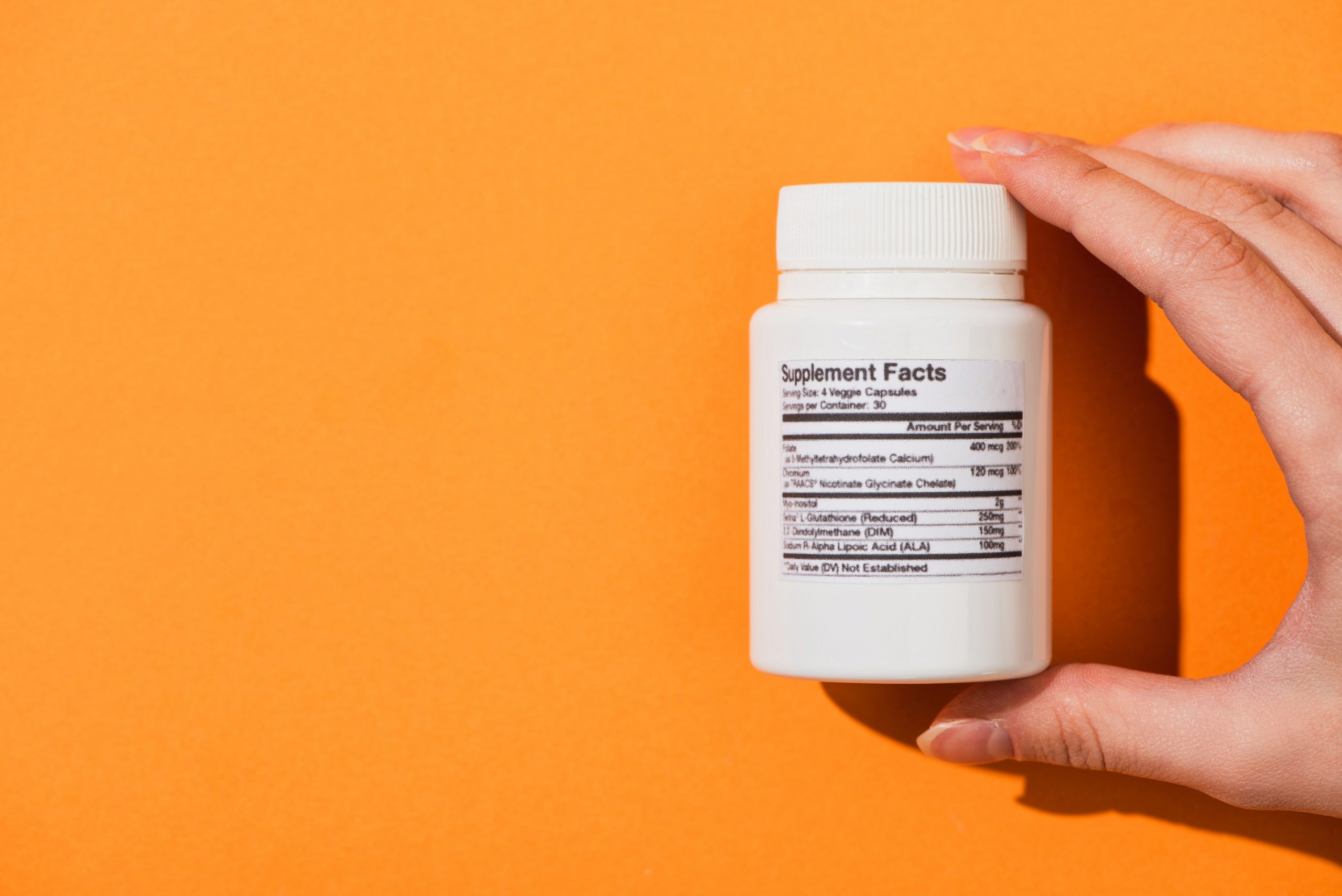

Strengthening the Immune System: How to Support Your Body’s Natural Defence
A strong immune system is the foundation of long-term health, energy and resilience. Yet many people feel that they get sick more often than before, recover more slowly, or struggle with recurring infections. This is not a coincidence. Modern life places constant pressure on our immune system.
Strengthening the immune system does not mean “boosting” it aggressively. Instead, it means restoring balance, reducing overload and supplying the body with the resources it needs to defend itself effectively.
What does a weak immune system mean?
Doctors often speak of increased susceptibility to infections when adults experience more than four infections per year, such as colds, sore throats or coughs. These infections are usually harmless, but they indicate that the immune system is under stress.
It is important to distinguish this from true immune deficiencies, such as genetic antibody defects. In most cases, people suffer from a functional immune weakness, not a permanent defect.
In simple terms: The immune system is exhausted, not broken.
Why the immune system becomes overloaded
Immune weakness often develops due to chronic stress on the immune system rather than a single cause.
Common stressors include:
- psychological stress
- lack of sleep
- poor or unbalanced nutrition
- environmental toxins
- chronic inflammation
- allergies (constant “defence mode”)
- certain medications
All these factors force the immune system to stay active for long periods. Over time, this leads to increased consumption of vital nutrients, which further weakens immune function.
Why modern life increases infection risk
Our immune system evolved to handle short-term threats. Today, it faces constant low-grade stress. Environmental pollutants, chemicals, processed food and ongoing mental pressure disturb immune regulation and can even trigger inappropriate immune reactions.
As a result:
- defence mechanisms are overused
- inflammatory reactions increase
- the immune system loses efficiency
This explains why many people feel “always slightly unwell” without a clear diagnosis.
Key nutrients for strengthening the immune system
A stressed immune system has a higher demand for micronutrients. The uploaded document highlights four central protective substances that are essential for immune balance.
Glutathione: The master antioxidant
Glutathione is one of the body’s strongest antioxidants and plays a central role in immune cell function and antibody production.
Its main functions:
- neutralises toxins and supports detoxification
- protects immune cells from oxidative damage
- supports lymphocyte activity (important immune cells)
- regenerates used vitamin C, vitamin E and coenzyme Q10
Low glutathione levels weaken immune defence and increase susceptibility to infections.
Selenium: A key immune regulator
Selenium is an essential trace element that must be obtained through food. The body cannot produce it itself.
Selenium:
- protects cells from oxidative stress
- helps reactivate glutathione
- supports vitamin C and coenzyme Q10
- plays a critical role in immune cell signalling
- supports proper detoxification
Without adequate selenium, immune reactions become inefficient and poorly regulated.
Vitamin D: Immune modulation from sunlight
Vitamin D is produced in the skin under UV light. In many regions, levels are low for large parts of the year.
Vitamin D:
- supports the maturation of immune cells
- has anti-inflammatory effects
- improves immune tolerance (prevents overreaction)
- enhances antimicrobial defence
Low vitamin D levels are strongly associated with increased infection risk.
Zinc: Essential for Immune Cell Activity
Zinc is required for more than 300 enzymes and is crucial for immune cell growth and activation.
Zinc:
- supports wound healing and cell regeneration
- strengthens skin and mucosal barriers
- improves immune cell division and activity
- has antioxidant effects
Even mild zinc deficiency can significantly impair immune defence.
Why Testing Matters
Symptoms alone cannot reliably show which nutrients are lacking. The document emphasises that laboratory testing allows an accurate assessment of immune-relevant protective factors.
By measuring blood levels of:
- glutathione-related markers
- selenium
- vitamin D
- zinc
deficiencies can be identified and corrected in a targeted way, instead of relying on guesswork.
How holistic immune support works
Strengthening the immune system holistically means:
- reducing immune stress (sleep, stress management, gut health)
- correcting micronutrient deficiencies
- supporting detoxification and antioxidant systems
- restoring balance rather than overstimulation
IV therapy can help deliver nutrients directly into the bloodstream, ensuring optimal availability for immune cells, especially when absorption is impaired.
What this means for you
If you:
- get sick frequently
- recover slowly
- feel constantly tired
- struggle with allergies or chronic inflammation
your immune system may be under chronic stress.
Understanding and supporting it properly can lead to better resilience, fewer infections and improved overall wellbeing.
Summary: Strengthening the immune system starts with balance
A healthy immune system depends on balance, not force. Chronic stress, nutrient depletion and oxidative damage weaken defence mechanisms silently over time.
With modern diagnostics and personalised support, it is possible to strengthen immune function sustainably.
If you want clarity about your immune status and individual support options, feel free to contact us or book an appointment.