
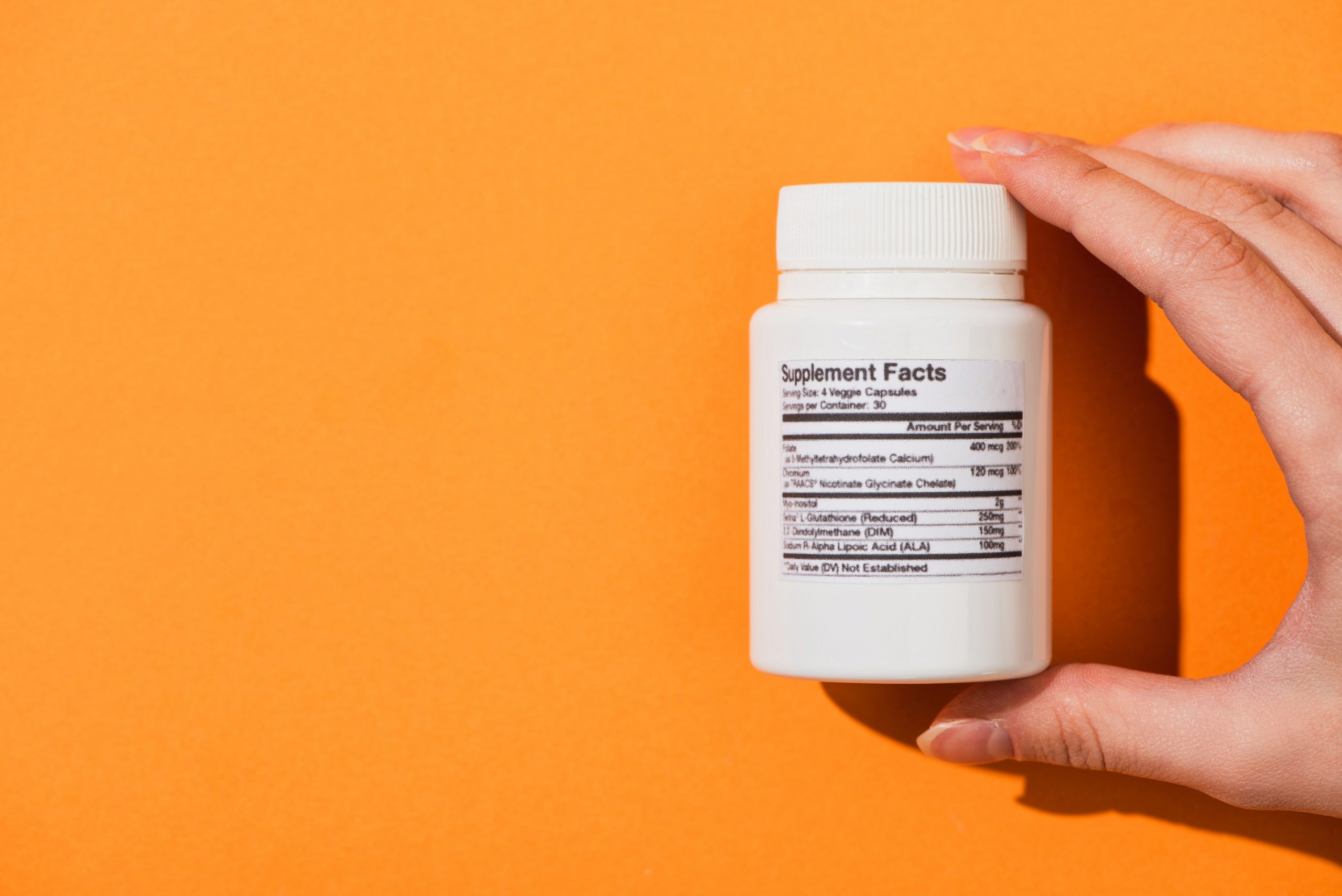
What are B-vitamins?
Imagine your body as a large orchestra. Every cell is a musician. Every organ is a section. And energy is the music that keeps everything in rhythm.
The B-vitamins are the conductors behind the scenes. They don’t create energy themselves, but without them, the music stops.
In scientific terms, B-vitamins act as coenzymes. A coenzyme is a helper molecule that allows enzymes (the body’s biochemical workers) to function. Without these helpers, even the best enzyme cannot perform its job.
The term “Vitamin B” actually refers to a group of water-soluble vitamins, also called the B-complex.
Water-soluble means:
- they are not stored well in the body
- they are used up quickly
- they must be replenished regularly
The core members include:
- B1 (Thiamine)
- B2 (Riboflavin)
- B3 (Niacin)
- B5 (Pantothenic Acid)
- B6 (Pyridoxine / Pyridoxal-5-Phosphate)
- B7 (Biotin)
- B9 (Folate)
- B12 (Cobalamin)
They work together like a metabolic team. A deficiency in one often affects the performance of the others.
B-vitamins and energy: The mitochondrial connection
Inside every cell are tiny structures called mitochondria. These are the “power plants” of the body. They produce ATP (adenosine triphosphate), the molecule that stores usable energy. B-vitamins are required at almost every step of this process.
For example: Vitamin B3 (Niacin)
B3 is essential for producing NAD and NADP.
These are coenzymes that carry electrons inside the mitochondria. Without NAD, the energy chain slows down.
In simple words: No B3 → less NAD → less ATP → less energy.
Low B3 may show up as:
- fatigue
- brain fog
- skin changes
- increased stress sensitivity
Vitamin B5 (Pantothenic Acid)
B5 is a key component of Coenzyme A (CoA).
Coenzyme A is central to:
- fatty acid metabolism
- carbohydrate metabolism
- steroid hormone synthesis
The adrenal glands (stress glands) rely heavily on B5 to produce cortisol and other hormones. During prolonged stress, B5 demand increases dramatically.
Low B5 can lead to:
- chronic fatigue
- reduced stress resilience
- hormonal imbalance
- sleep disturbance
Vitamin B1 (Thiamine)
B1 helps convert carbohydrates into usable cellular energy.
It supports:
- nerve conduction
- muscle function
- heart performance
Low B1 can cause:
- exhaustion
- concentration problems
- nerve tingling
- palpitations
Vitamin B2 (Riboflavin)
B2 is essential for redox reactions, biochemical reactions involving electron transfer.
Redox reactions protect cells from oxidative stress (damage from free radicals).
Low B2 may show as:
- cracked mouth corners
- skin irritation
- increased oxidative stress
Vitamin B6 (Pyridoxal-5-Phosphate)
B6 is involved in more than 100 enzymatic reactions, especially in amino acid metabolism.
It is crucial for:
- serotonin production (mood)
- immune regulation
- hormone balance
- homocysteine regulation
Low B6 may contribute to:
- irritability
- poor sleep
- elevated homocysteine
- immune weakness
Vitamin B7 (Biotin)
Biotin supports:
- fat metabolism
- carbohydrate metabolism
- amino acid metabolism
- gene regulation
It is also known for:
- healthy hair
- strong nails
- skin balance
Biotin deficiency may show as:
- hair thinning
- brittle nails
- skin irritation
- fatigue
B12: the special case
Vitamin B12 deserves special attention.
It is essential for:
- DNA synthesis
- nerve protection
- red blood cell formation
- methylation
What is methylation?
Methylation is a fundamental biochemical process in which a small chemical group (a methyl group) is transferred to another molecule.
This process regulates:
- detoxification
- neurotransmitter balance
- hormone metabolism
- DNA repair
Methylation relies heavily on:
- B6
- Folate (B9)
- B12
If these are insufficient, methylation efficiency drops.
Possible consequences:
- fatigue
- brain fog
- mood changes
- detoxification problems
- hormonal imbalance
The Right Forms of B12
Not all B12 forms are equal. The biologically active forms are:
- Methylcobalamin
- Adenosylcobalamin
- Hydroxocobalamin
These forms are directly usable by the body and support both mitochondrial energy production and methylation.
Why deficiencies are often missed
B-vitamin deficiencies rarely appear suddenly. They develop slowly.
You may:
- feel exhausted
- feel mentally unclear
- feel hormonally unstable
- feel stressed beyond your capacity
Yet standard labs may still appear “normal.”
This happens because:
- serum levels do not always reflect cellular function
- stress increases consumption
- gut absorption may be impaired
Who is at higher risk?
You may be more vulnerable if you:
- live under chronic stress
- have digestive problems
- follow a vegetarian or vegan diet (especially for B12)
- are pregnant or breastfeeding
- are perimenopausal
- take certain medications (e.g. metformin, PPIs)
- exercise intensely
- live with chronic inflammation
Because B-vitamins are heavily utilised, deficiency can develop even in well-nourished individuals.
What the evidence shows
Scientific reviews show that B-vitamin supplementation can improve stress resilience, particularly in at-risk individuals. B-vitamins act as essential cofactors in mitochondrial energy metabolism, and deficiencies impair metabolic performance.
In other words: When the orchestra lacks conductors, the music weakens.
The bigger picture
B-vitamins are not “just supplements.” They are metabolic regulators.
They influence:
- ATP production
- mitochondrial function
- inflammation balance
- hormone synthesis
- nervous system stability
When properly assessed and corrected, they can significantly improve energy, clarity and resilience.