
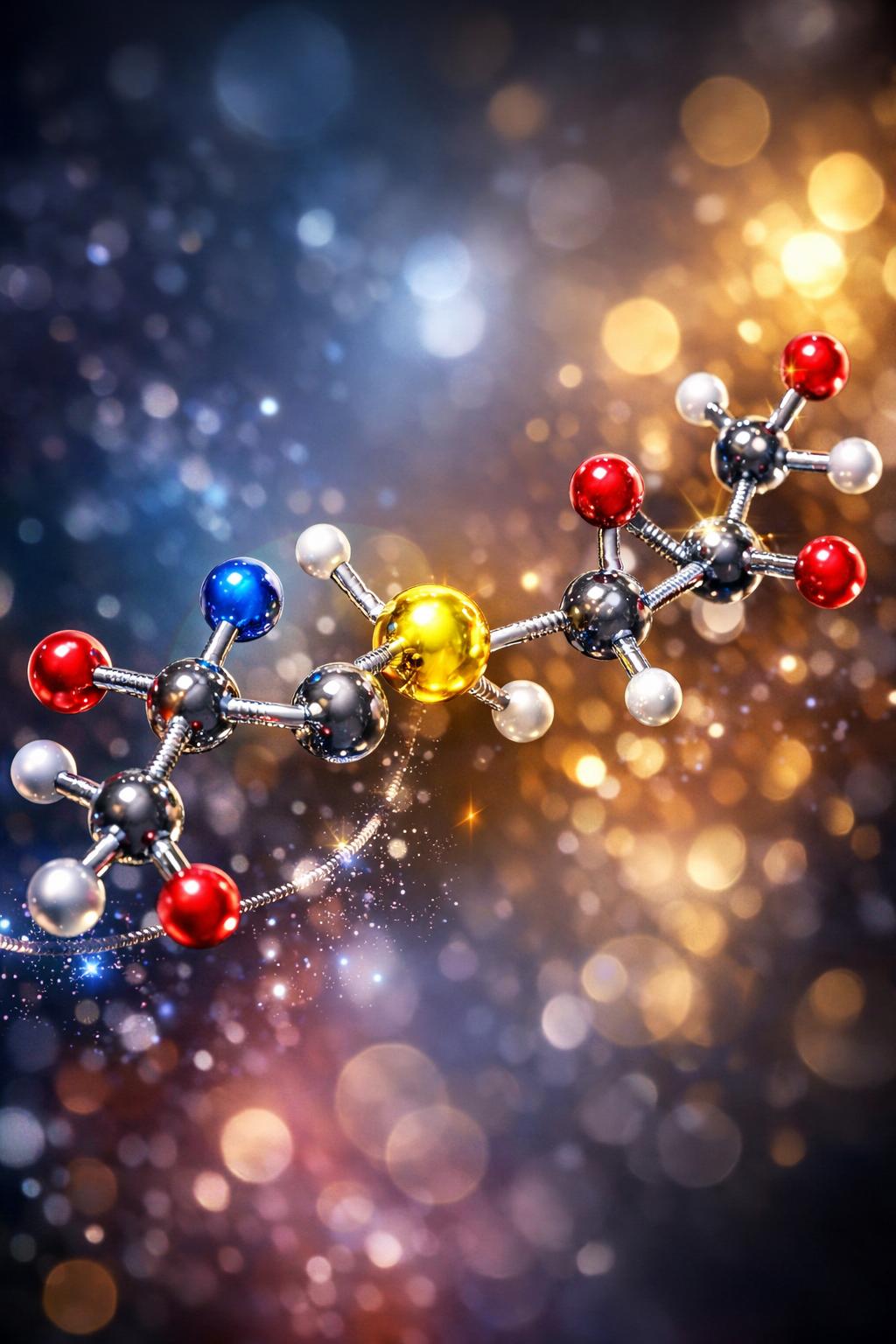
Glutathione: The Central Molecule for Detoxification, Immune Strength and Cellular Longevity
Glutathione is one of the most important protective substances in the human body, yet it often remains unnoticed until the body begins to struggle. In holistic and longevity medicine, Glutathione is considered a key indicator of cellular health, detoxification capacity and resilience against oxidative stress. When Glutathione levels are sufficient, cells are protected, adaptive and efficient. When they decline, the risk for inflammation, chronic disease and accelerated ageing increases.
At Viva Glow Drip, Glutathione is not viewed as a single supplement or trend, but as a central biological system that reflects how well the body can protect, regenerate and balance itself.
What is Glutathione and why is it so essential?
Glutathione (GSH) is a sulphur-containing tripeptide composed of glutamic acid, cysteine and glycine. It is synthesised primarily in the liver and is present in every cell of the body. Particularly high concentrations are found in the liver, red blood cells and immune cells, highlighting its importance for detoxification and immune regulation
Glutathione exists in two forms:
- Reduced Glutathione (GSH) = the active, antioxidant form
- Oxidised Glutathione (GSSG) = the inactive form
The ratio between these two forms determines the intracellular redox status. Under healthy conditions, this ratio remains around 9:1. A shift toward the oxidised form signals oxidative stress and reduced cellular protection.
Only the reduced form (GSH) has antioxidant activity. Toxic influences, chronic inflammation or environmental stressors can shift the balance toward GSSG. The enzyme Glutathione reductase is responsible for recycling GSSG back into active GSH, a process that requires sufficient cellular resources.
Glutathione as the body’s master antioxidant
Glutathione plays a central role in protecting cells from oxidative damage. Every day, the body produces reactive oxygen species as a result of normal metabolism, immune responses and environmental exposure. Glutathione acts as a powerful “catching system,” neutralising these radicals before they can damage cellular structures.
As a co-substrate of Glutathionee peroxidase, Glutathione detoxifies hydrogen peroxides and lipid peroxides, converting them into harmless substances such as water and oxygen. This process protects:
- cell membranes
- mitochondrial membranes
- protein structures
- DNA integrity
Without sufficient Glutathione, oxidative stress accumulates silently, often long before symptoms appear.
Glutathione, detoxification and immune function
Detoxification is one of Glutathione’s most critical roles. It binds toxins, xenobiotics and heavy metals, making them water-soluble and easier for the body to eliminate. This function is especially relevant in modern environments characterised by pollution, chemical exposure and chronic stress.
Glutathione also supports immune cell communication. It enables immune cells to produce leukotrienes, which regulate immune responses during infections and inflammatory processes. Adequate Glutathione levels are therefore essential for a balanced and effective immune defence.
When Glutathione levels are depleted
A disruption of Glutathione homeostasis is observed in many conditions, including:
- viral infections and chronic immune activation
- autoimmune diseases such as SLE or rheumatoid arthritis
- neurodegenerative disorders
- cardiovascular disease and atherosclerosis
- increased exposure to toxins or heavy metals
- chronic inflammation and malignant diseases
In these cases, Glutathione is often consumed faster than it can be regenerated. Normalising Glutathione levels has therefore proven to be clinically meaningful in supporting recovery and stabilising cellular function
Importantly, a Glutathione deficiency can arise from two different mechanisms:
- Increased consumption, for example due to inflammation or oxidative stress
- Reduced synthesis, often caused by a lack of precursor substances such as cysteine
Understanding the underlying cause is essential for effective treatment.
Why intracellular Glutathione testing matters
Not all Glutathione measurements provide meaningful insight. Serum Glutathione is unstable and does not reflect intracellular conditions. Modern diagnostics therefore focus on intracellular GSH levels in immune cells, particularly leukocytes
By measuring Glutathione separately in:
- monocytes
- lymphocytes
- natural killer (NK) cells
clinicians can determine whether Glutathione depletion is due to increased consumption or impaired synthesis. For example, low GSH in lymphocytes with normal monocyte values indicates excessive consumption rather than a primary synthesis defect. This distinction allows for precise, individualised therapeutic strategies.
Can Glutathione levels be increased effectively?
Because Glutathione itself has limited ability to cross cell membranes when taken orally, supplementation results vary between individuals. For this reason, precursor substances such as N-acetylcysteine (NAC), S-adenosylmethionine (SAMe) or membrane-permeable Glutathione esters are often used to support intracellular Glutathione production.
In cases of chronic inflammation or high oxidative load, Glutathione support should not be isolated. It is most effective when combined with anti-inflammatory, antioxidant and lifestyle-based strategies that reduce ongoing oxidative stress.
Glutathione in holistic and longevity medicine
From a holistic perspective, Glutathione reflects the body’s ability to adapt, detoxify and regenerate. Low levels are often associated with fatigue, reduced stress tolerance, weakened immunity and slower recovery. Stable Glutathione levels, on the other hand, support resilience, cellular longevity and long-term wellbeing.
At Viva Glow Drip, Glutathione assessment is integrated into personalised longevity and IV therapy concepts. Treatments are based on diagnostics, not assumptions, and aim to restore balance at the cellular level rather than masking symptoms.
The benefit for you as a patient
Understanding Glutathione offers real advantages:
- early detection of hidden oxidative stress
- insight into immune and detoxification capacity
- personalised treatment strategies instead of generic supplementation
- support for long-term vitality, recovery and healthy ageing
Rather than reacting to disease, Glutathione-focused diagnostics allow preventive and regenerative intervention at a much earlier stage.
Summary: Glutathione as a foundation of cellular resilience
Glutathione is far more than an antioxidant. It is a central regulator of detoxification, immune balance and oxidative control. Measuring and supporting Glutathione levels provides valuable insight into the body’s internal stability and opens the door to targeted, holistic interventions.
Understanding Glutathione means understanding how well your body can protect itself and this knowledge is a cornerstone of modern longevity and holistic medicine.